







Search Results for: dripper capacity
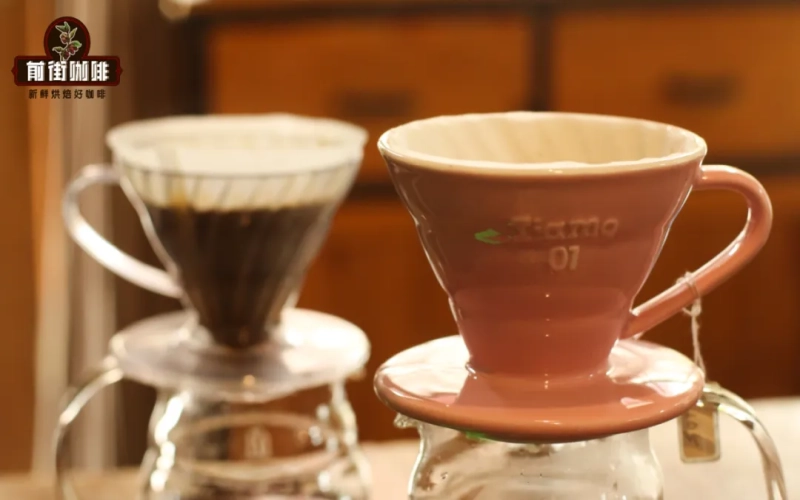
How do the material differences between ceramic and resin drippers affect the extraction results of pour-over coffee?
The material of a pour-over coffee dripper isn't just about feel and aesthetics—it genuinely changes the flavor in the cup. Front Street Coffee has shared before that the reason different dripper materials produce different extraction results comes down to two physical indicators: specific heat capacity and thermal conductivity. Thermal conductivity determines how quickly heat transfers, while specific heat capacity determines how easily a substance heats up or cools down. Together, they determine how much temperature a dripper "steals" from the hot water. This article will start from these two concepts to explain why a ceramic dripper makes coffee less bitter when it hasn't been preheated, why it's best to warm a ceramic dripper with hot water before use, and offer parameter adjustment suggestions based on actual brewing. [more…]
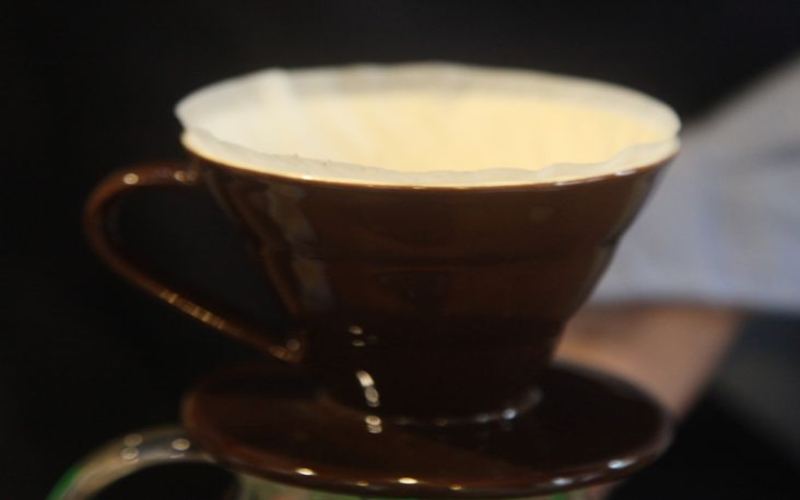
An Analysis of the Differences Between the Hario V60 Dripper 01 and 02 Models: A Comprehensive Comparison of Opening Size, Capacity, and Brewing Flavor
The Hario V60 dripper is almost ubiquitous in the specialty coffee world—whether in independent cafés or chain brands, you're bound to see it. But faced with the dazzling array of V60 models on the market, especially the two common sizes 01 and 02, many coffee enthusiasts aren't clear about what substantial differences actually exist between them. This article will start from the classic design principles of the dripper, systematically outline the three core structural advantages of the V60, then break down one by one the heat retention and price differences among the three materials—resin, ceramic, and glass—and focus on comparing 01 and 02 in terms of capacity, opening size, and suitable scenarios. It will also mention special models such as the brass version and championship collaboration editions, helping you make a more rational choice based on your own needs. [more…]

The Complete Guide to Buying a Dripper: The Profound Impact of Cone Shape, Internal Ribs, Hole Design, and Material on Extraction Flow Rate and Temperature Control
Faced with drippers of all shapes and sizes on the market, friends new to pour-over coffee are often baffled by names like V60, Kono, and Origami, along with materials such as ceramic, resin, and metal. This article starts from the fundamental structure of the dripper, breaking down what the cone shape, internal ribs, bottom hole, and construction material each mean. You'll come to understand that these designs ultimately point to two core factors: flow rate and temperature control, and grasping the differences in thermal conductivity and specific heat capacity can help you match a more suitable dripper to your brewing method. Front Street Coffee takes you through the principles so you no longer follow trends blindly, and find that perfect cup of coffee of your own. [more…]
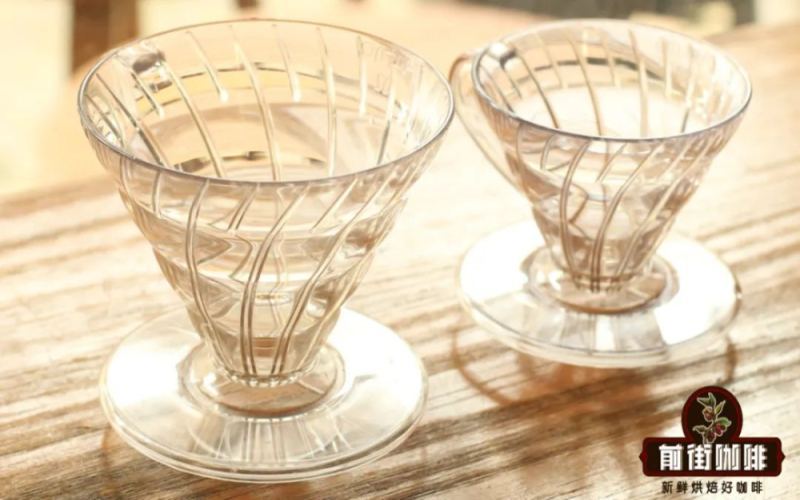
Analysis of the Differences Between Size 01 and 02 Drippers: Why It's Hard for a Large Dripper to Replicate the Deliciousness of a Small One
Many coffee enthusiasts share this confusion: they can consistently brew delicious coffee with a size 01 small dripper, but when they switch to a size 02 large dripper, the results are always disappointing. This is not a regression in skill, but rather an essential difference in structure and usage logic between large and small drippers. The 01 dripper corresponds to 1–2 servings, while the 02 dripper corresponds to 3–4 servings. The difference is not just capacity—the drainage hole, bed depth, and flow rate all change with size. Front Street Coffee's brewing tutorials use the 01 dripper as the standard, but if the same technique is applied directly to the 02 dripper, over-extraction easily occurs due to excessively long extraction time. This article will analyze the core differences between the two drippers in depth and provide adjustment plans for the larger dripper, helping you brew satisfying coffee even with the 02 dripper. [more…]
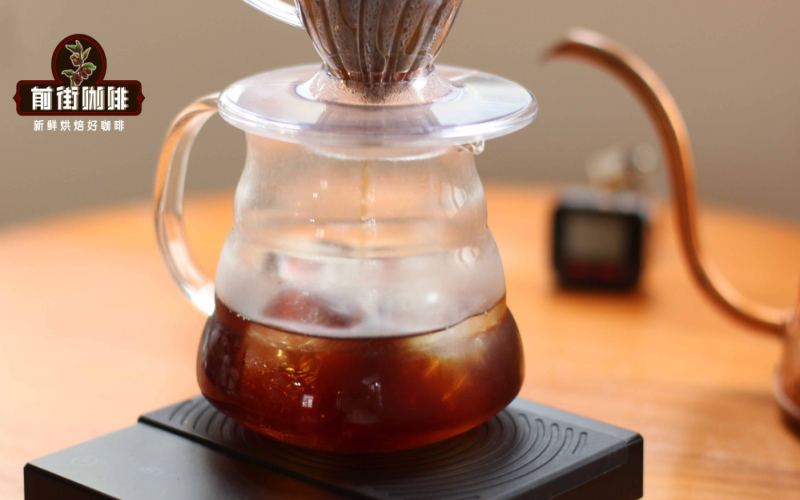
A Beginner's Guide to Pour-Over Coffee Gear: Complete Setup Advice from Grinder and Kettle to Dripper
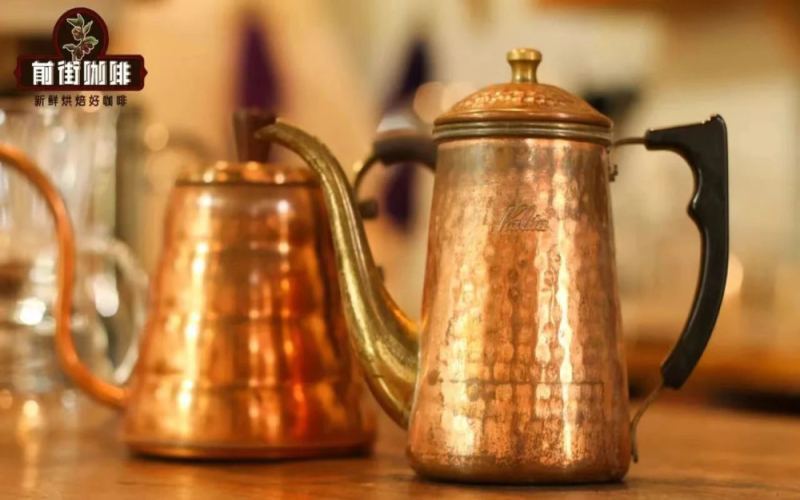
To brew a delicious pour-over coffee at home or in the office, the choice of equipment often determines success or failure before technique even comes into play. Faced with the bewildering array of drippers, gooseneck kettles, and grinders on the market, beginners can easily fall into choice paralysis. This article starts with selecting coffee beans, then works through grinder burr types, grind size calibration, gooseneck kettle capacity and temperature control, dripper and filter paper pairing, scales, and serving carafes, and offers Front Street Coffee's specific product recommendations for different budgets and taste preferences, helping those new to pour-over assemble a smooth-working setup at a reasonable cost. [more…]
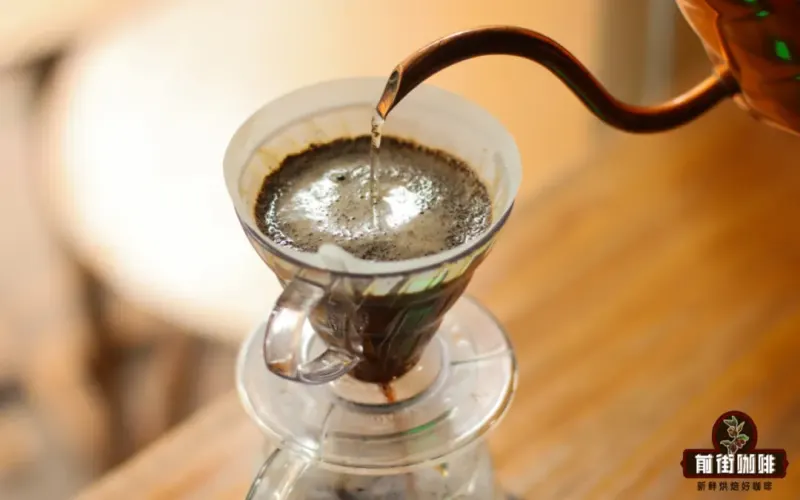
How Does Coffee Dose Affect Flavor in Pour-Over? Differences Between 01 and 02 Drippers and Brewing Techniques for Small Drippers with Large Doses
Many coffee enthusiasts have found during brewing that simply adding a little more coffee grounds causes a noticeable decline in the resulting flavor. The reason behind this often lies in the amount of grounds exceeding the reasonable capacity of the current dripper, while the brewing technique has not been adjusted accordingly. This article will focus on the suitable grounds amounts for the two common dripper models, 01 and 02, analyzing the specific effects of too much or too little coffee on extraction uniformity, flow rate, and the final flavor. At the same time, for scenarios where you only have a small dripper on hand but need to brew a large amount of coffee, it provides a complete solution including coarsening the grind size, slightly adjusting the water temperature, and pouring techniques, and offers practical reference suggestions based on Front Street Coffee's standard parameters. [more…]
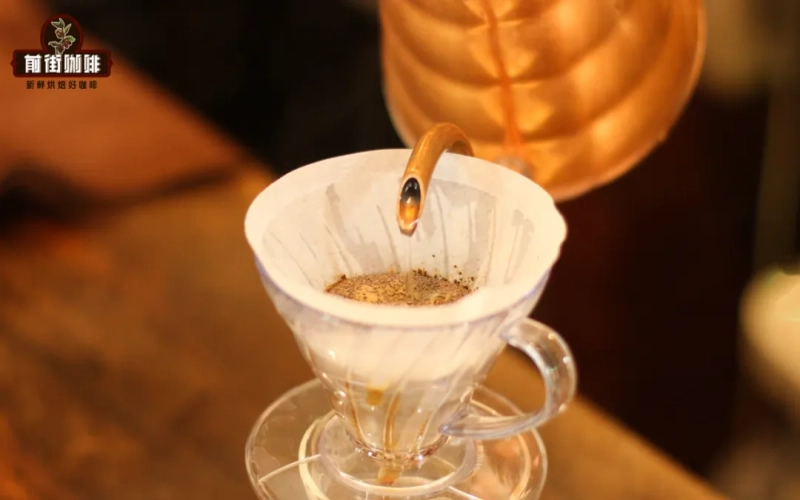
How to brew 30 grams of coffee with a size 01 V60? Parameter adjustment ideas for brewing a large batch in a single-person dripper
Pour-over coffee enthusiasts often run into this dilemma: they only have a 01 single-cup V60 dripper on hand, yet need to brew a multi-serving batch with 30 grams of coffee at once. Doubling the coffee dose is easy, but scaling up the water volume accordingly will exceed the dripper's capacity, leading to uncontrolled extraction. Does that really mean a small dripper can't handle a large dose? Not at all. Front Street successfully brewed 30 grams of Front Street Granja Geisha with a 01 V60 by adjusting the grind size, pouring method, and staged strategy, achieving a 20.33% extraction yield, with a balanced, sweet flavor where apricot, berry, citrus, and oolong tea notes are clearly distinguishable. This article shares this fully tested set of parameters and operating steps with anyone who has the same need. [more…]
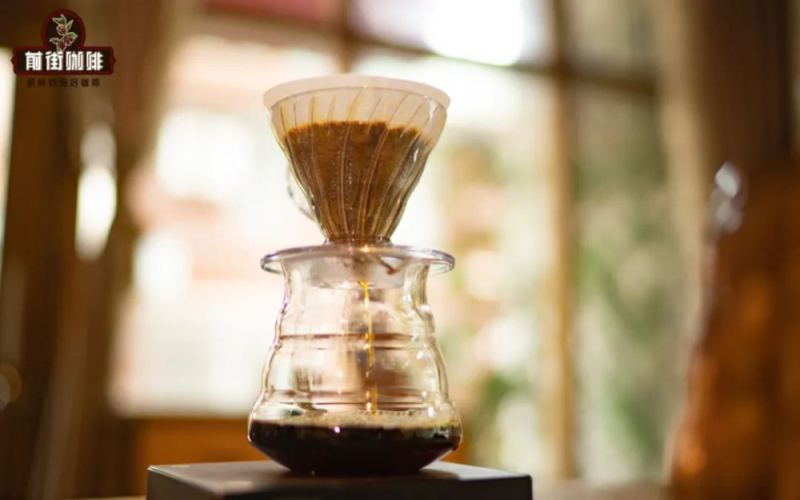
How Does Filter Cone Material Affect Coffee Extraction? Analyzing Brewing Differences Through Thermal Conductivity and Specific Heat Capacity
Coffee filter cups on the market come in a wide variety of materials—resin, glass, ceramic, and metal each have their own fans—but what real impact do different materials actually have on brewing? Many people's first thought is the price difference, but setting aside cost, the most core difference between materials lies in their ability to control temperature. Thermal conductivity determines how quickly heat is transferred, while specific heat capacity relates to how much heat an object can store. Together, these two physical parameters directly change the temperature performance of hot water during the extraction process. Metal conducts heat fastest but also dissipates it quickly; ceramic has a high specific heat capacity but needs thorough preheating; glass performs mildly; and resin, because it absorbs heat slowly, has almost no effect on water temperature. In this article, Front Street Coffee will break down the characteristics of four common filter cup materials one by one, and combine them with the actual differences in flow rate among V60 versions made of different materials, to help everyone understand why you cannot simply copy extraction formulas from the internet, but should instead flexibly adjust your brewing strategy according to the material of the filter cup in your hands. [more…]
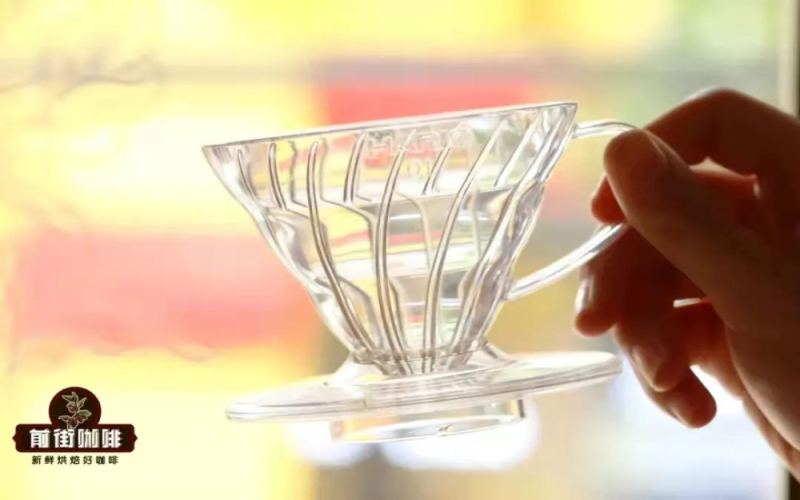
A Guide to Adjusting Pour-Over Coffee Parameters for 4 Servings: Pouring and Timing Techniques for Brewing with a Large Dose of Coffee
When the coffee dose for pour-over is increased to multiple servings, key parameters such as the amount of water poured and the pouring time will change accordingly. However, the size of the dripper often becomes an important factor limiting the upper limit of the dose. This article will take a 4-serving pour-over as an example to analyze in detail the parameter adjustment approach for brewing with a large dose, including the coffee-to-water ratio, pouring rhythm and time control, and recommend practical equipment suitable for multi-serving brewing. Whether it is a family gathering or an office sharing session, you can find a solution for consistent results. [more…]
Beginner's Guide to Making Coffee at Home: Choosing Your First Pour-Over Setup and Practical Tips to Avoid Pitfalls
Specialty coffee is becoming more and more popular, and many friends who are just getting into coffee have begun to toy with the idea of brewing at home. Yet faced with a dazzling array of equipment, how to avoid wasting money and choose gear that truly suits you has become a problem for many beginners. Starting from the importance of coffee bean freshness and fresh grinding, this article goes through the key points for choosing a grinder, dripper, gooseneck kettle, filter paper, server, and digital scale one by one, and includes practical advice from Front Street. Whether you are just starting out or preparing to upgrade your equipment, this guide can help you clarify your thinking, avoid common pitfalls, and build a stable, easy-to-use pour-over setup on a reasonable budget. [more…]
Filter Cup Buying Guide: How Material, Flow Rate, Shape, and Functional Design Affect Pour-Over Coffee Flavor
The popularity of pour-over coffee is inseparable from the dripper, a key piece of equipment. From Mrs. Melitta's accidental experiment with blotting paper and a copper bowl to today's dazzling array of drippers, choosing a suitable one has become a source of confusion for many coffee lovers. Front Street Coffee starts from four dimensions—material, flow rate, appearance design, and functional design—and, combining hands-on testing data with in-store experience, analyzes the specific effects of different drippers on extraction temperature, water flow speed, and coffee flavor layers. Whether you seek stability and beginner-friendliness or wish to finely control the direction of flavor, this article will provide you with practical purchasing ideas and references. [more…]
How Should Beginners Choose Pour-Over Coffee Equipment? A Complete Guide to Buying a Grinder, Digital Scale, Pour-Over Kettle, and Dripper
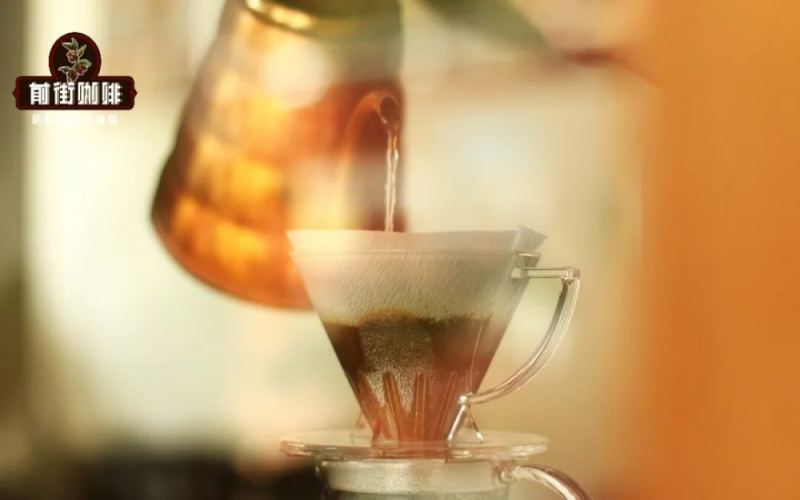
Many friends who are just getting into coffee often ask: what basic equipment do you actually need to prepare if you want to teach yourself pour-over at home? In fact, pour-over may seem professional and complicated, but once broken down, it is nothing more than a grinder, a digital scale, a gooseneck kettle, a dripper and filter paper, a server, and coffee beans. This article gives purchasing suggestions one by one according to budget and needs, and offers reference directions for the common bean-selection confusion beginners face. Front Street will also draw on everyday experience to share ideas for choosing everyday beans, helping you gradually build your judgment of brewing and flavor while keeping costs under control. [more…]
Analysis of the Differences Between V60 Dripper Models 01 and 02: Why Does Increasing Coffee Dose Lead to Weaker Coffee Flavor?
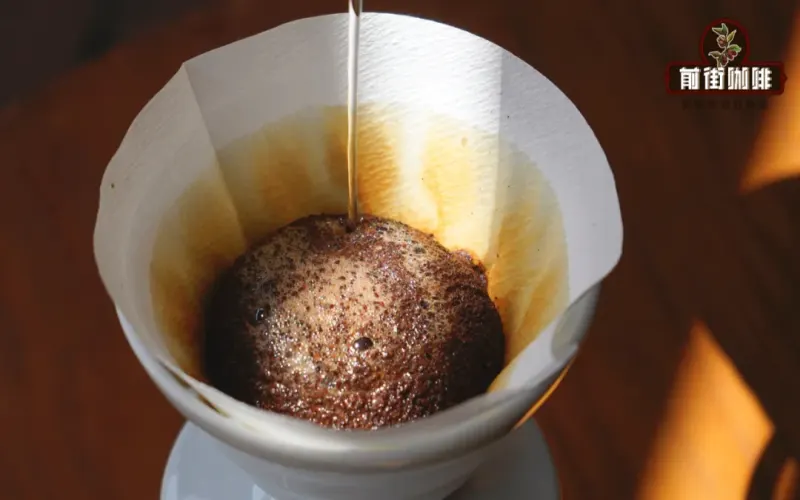
Many coffee enthusiasts habitually use a fixed dose when brewing, believing it is unaffected by roast level, but the dose is actually closely related to the dripper model. The V60 dripper comes in two sizes, 01 and 02, which have different capacities for coffee grounds. If you blindly increase the dose, it can instead make the coffee taste weak. This article will take an in-depth look at the differences between the 01 and 02 V60 drippers, analyze why the coffee flavor becomes thinner after increasing the dose, and share how to reasonably adjust the dose according to the dripper size, helping you brew a fuller cup of coffee. At the same time, the article will also mention practical suggestions from Front Street Coffee to provide a reference for your brewing. [more…]
Analysis of Hand-Brewing Techniques for a Large 30g Coffee Dose: How to Avoid Bitterness and Uneven Extraction When Brewing for Four
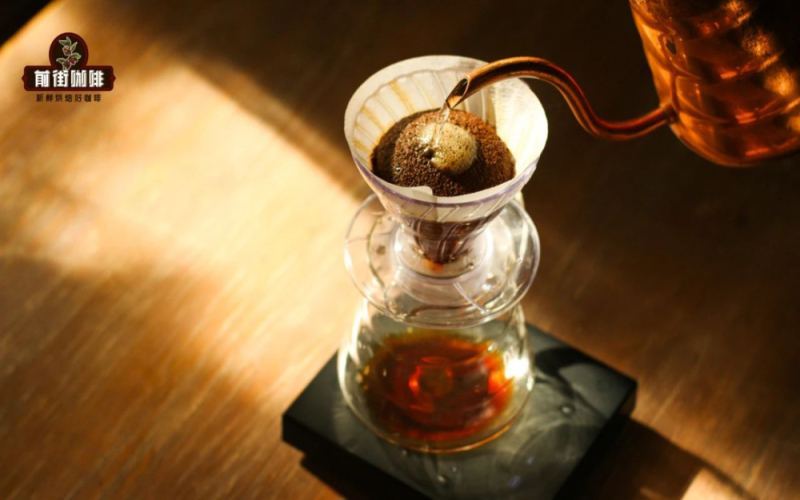
Many coffee enthusiasts, once accustomed to the rhythm of brewing a single serving of pour-over, often find that flavors turn out vastly different from their daily results when they attempt to brew a large batch of four servings at once. The increase in coffee dose brings not only a change in water volume, but also systematic adjustments involving dripper capacity, pouring technique, grind size, and even extraction time. Front Street Coffee frequently receives similar questions: how should 30 grams of coffee be brewed to taste good? This article will provide a complete overview of the practical key points for large-dose pour-over, from dripper matching, grind size setting, and blooming strategy to the logic of staged pouring, helping you consistently present a clean and well-layered coffee flavor even when sharing among multiple people. [more…]
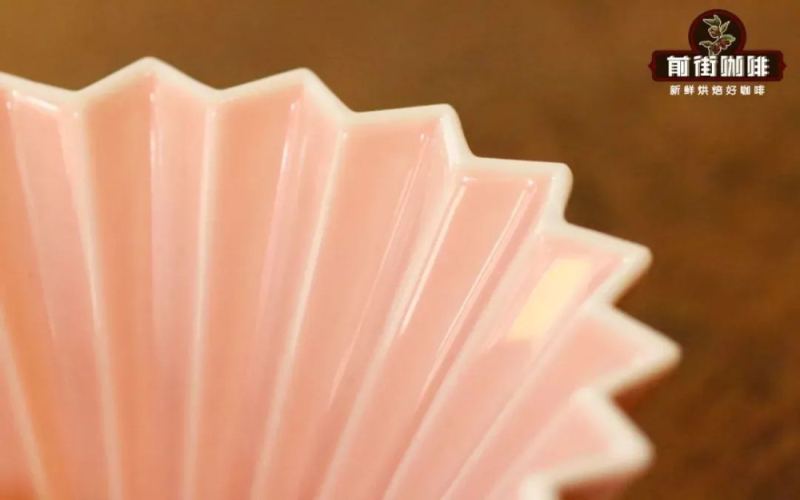
Origami Dripper Bean Suitability Analysis: Design Highlights, Brewing Recipes, and Practical Pros and Cons
The Origami dripper, with its angular shape and Nordic minimalist style, has become a familiar sight in cafés and equipment stores. Designed by Yasuo Suzuki, it can be used with either conical filters or cake filters, offering two completely different brewing experiences. Its fame grew even further when Du Jianing, the 2019 WBrC champion, used it. However, this dripper also has shortcomings, such as the lack of a base and limited coffee capacity. Front Street Coffee once conducted a comparative brew using blueberry beans from Costa Rica's Giant Stone Estate. This article will comprehensively analyze what coffee beans this dripper is suitable for, covering its appearance, star appeal, versatile brewing methods, and drawbacks. [more…]
Hario V60 01 vs 02 Dripper Comparison: Size, Coffee Dose, and Brewing in Practice
The Hario V60 is practically standard equipment for every pour-over enthusiast, but what exactly is the difference between the 01 and 02? From the perspective of Front Street Coffee, this article first reviews the design origins and three core features of the V60 dripper, then takes a deeper look at how the 01 and 02 differ in recommended coffee dose and actual capacity, and explains why the 02 dripper requires a coarser grind. After that, using the Yirgacheffe Natural Red Cherry as an example, it presents the three-pour brewing parameters and techniques for both drippers, helping you make a more suitable choice in your daily brewing. [more…]
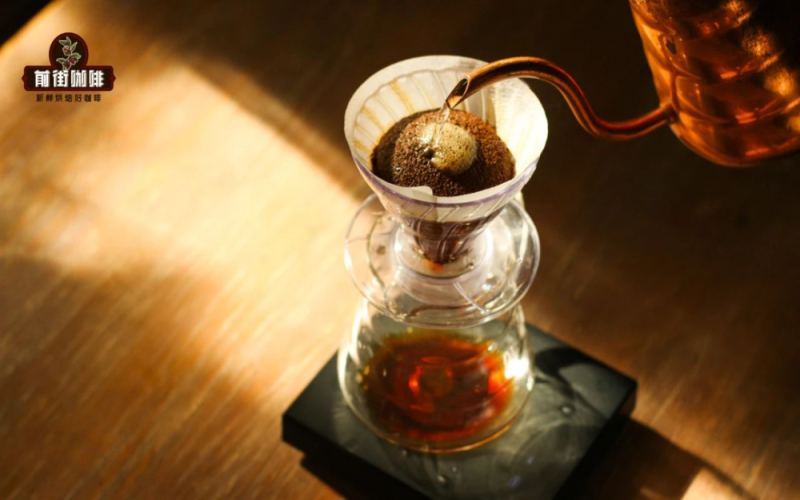
30g Coffee Powder Pour-Over Guide: Brewing Parameters and Adjustment Tips for V60 02 Large Dripper
Front Street Coffee's pour-over tutorials have long been based on a single-serving standard of 15g of coffee and 200ml of water, but when you need to brew 2 to 3 cups at once, the No. 01 small dripper simply can't handle the job. This article centers on a hands-on test of brewing with 30g of coffee in a V60 02 large dripper, starting with a 1:15 coffee-to-water ratio, 91℃ water temperature, and a three-pour technique, which revealed that the extraction time was too long and produced bitterness. The parameters were then revised by coarsening the grind and increasing the pouring speed, ultimately bringing the extraction time under 2 minutes 30 seconds, with the flavor matching that of a single serving. The article also retains recommendations for several Front Street Coffee beans and answers the question of whether the No. 01 dripper can brew a large dose when no No. 02 dripper is available, making it suitable as a reference for enthusiasts who have already mastered basic pour-over and want to advance to brewing for multiple people. [more…]
The Complete Guide to Pour-Over Light Roast Coffee: Solve the Slow Flow and Water Pooling Problem, Easily Brew Sweet Flavors
Light roast coffee beans are beloved for their bright floral and fruity aromas, but many enthusiasts often run into slow flow rates and easy pooling when brewing pour-over at home, ultimately extracting nothing but a monotonous sour taste. This actually has a lot to do with the physical structure of light roast beans: with a light roast level, the bean body is dense, the carbon dioxide content is low, and both water absorption and degassing capacity are weak, causing fines to easily settle and clog the dripper. This article will take a deep dive into the difficulties of pour-over brewing with light roast beans, and drawing on Front Street Coffee's brewing experience, share how to effectively enhance the sweetness and complexity of coffee by adjusting water temperature, pouring technique, and staged extraction, so you can consistently brew a well-balanced cup with both acidity and sweetness at home. [more…]
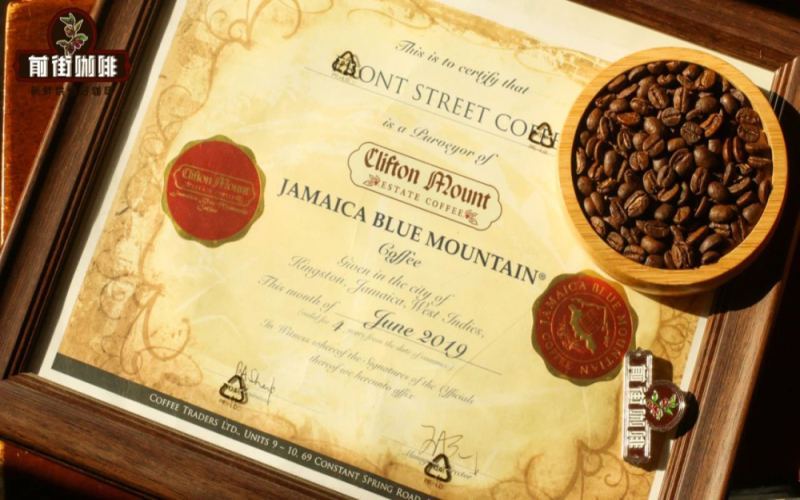
Blue Mountain Coffee Pour-Over Coffee-to-Water Ratio and Extraction Parameters Explained: Front Street Blue Mountain No.1 Brewing Method and SOE Preparation Sharing
Jamaican Blue Mountain coffee, as a classic representative of specialty coffee, has always drawn attention for its brewing methods. This article takes Front Street Jamaican Blue Mountain coffee as an example to introduce in detail the grade classification and processing techniques of this washed Typica variety, and shares the complete parameters for Kono dripper pour-over—including coffee dose, water temperature, grind size, coffee-to-water ratio, and pouring technique. In addition, it will also cover the extraction recipe for Blue Mountain SOE, as well as the production details of Blue Mountain Americano and Blue Mountain Latte, helping coffee enthusiasts recreate the full-bodied, richly layered sweetness of Blue Mountain coffee at home. [more…]
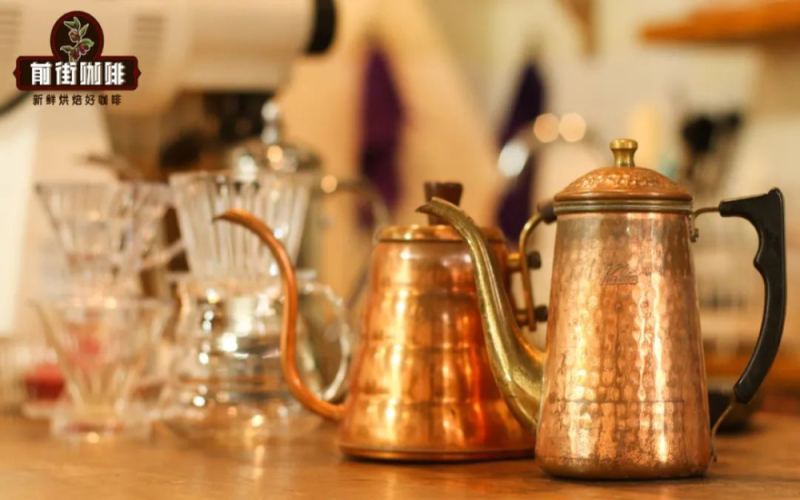
Pour-Over Coffee Equipment Buying Guide: How to Choose a Grinder, Gooseneck Kettle, Dripper, and Digital Scale
Want to get into pour-over coffee but feel overwhelmed by the dizzying array of gear on shopping platforms? On a limited budget, what should you prioritize, and how should you allocate your spending for the best value? Front Street Coffee breaks down the most essential pieces of pour-over equipment for you: the grinder, which determines the ceiling of flavor; the pouring kettle, which affects your pouring feel; the dripper, which influences filtration; and the digital scale, which makes your data visible. Starting from a ranking of importance, this article explains the key points for choosing each piece of gear and offers advice on pitfalls to avoid, helping you build a truly practical pour-over setup within a limited budget—so you take fewer detours and brew a delicious cup as quickly as possible. [more…]